
UAE businesses are scaling at a faster rate than ever. Expansion across emirates, multi-entity operations, VAT compliance, and real-time financial visibility are no longer “nice to have” — they’re baseline requirements.
That’s exactly why NetSuite ERP has become a preferred choice for growing and enterprise-level companies in the UAE. But software alone doesn’t solve operational complexity. The real value comes from how NetSuite is implemented, localized, and adopted.
This guide breaks down what NetSuite ERP actually delivers for UAE businesses, identifies where most implementations fail, and guides how to approach it correctly.
Why NetSuite ERP Fits the UAE Business Landscape
Many UAE organizations still operate with disconnected systems — accounting software for finance, separate tools for inventory, spreadsheets for reporting, and manual workarounds everywhere else.
NetSuite replaces that fragmentation with a single cloud-based ERP that connects finance, operations, inventory, CRM, and reporting on one platform.
What this really means:
- One source of truth across entities and locations
- Faster month-end close with automated consolidation
- Better control over compliance, approvals, and audit trails
- Leadership decisions based on live data, not delayed reports
For businesses operating in Dubai, Abu Dhabi, or across the GCC, this level of control is critical.
Core Benefits of NetSuite ERP for UAE Companies
1. Multi-Entity and Multi-Currency Management
NetSuite is built for organizations with multiple legal entities. Whether you operate across emirates or manage international subsidiaries, you can:
- Consolidate financials automatically
- Handle multiple currencies with real-time FX updates
- Maintain local compliance while reporting globally
This is one of the strongest reasons UAE groups move away from legacy ERPs.
2. UAE VAT and Compliance Readiness
VAT compliance is not optional — and manual processes increase risk. With NetSuite, VAT handling can be configured directly within financial workflows:
- VAT calculation at transaction level
- VAT-ready invoices and reports
- Clear audit trails for compliance reviews
The key is correct configuration during implementation. Poor setup leads to reporting issues later — something we frequently fix for clients who migrate from rushed implementations.
3. Real-Time Reporting for Faster Decisions
Waiting days or weeks for reports doesn’t work in competitive markets. NetSuite provides real-time dashboards for:
- Cash flow and revenue visibility
- Inventory performance
- Expense tracking
- Subsidiary-level performance
Decision-makers don’t need analysts to pull reports — the data is already there.
4. Scalability Without Replacing Systems
One of the biggest ERP mistakes is outgrowing the system within a few years. NetSuite scales with your business:
- Add new subsidiaries without rebuilding the system
- Activate additional modules as requirements grow
- Support increasing transaction volumes without performance issues
This makes it a long-term ERP, not a temporary fix.
5. Cloud Accessibility and Security
NetSuite’s cloud-native architecture means:
- Secure access from anywhere
- No local infrastructure maintenance
- Automatic updates and security patches
For UAE companies with distributed teams or leadership frequently on the move, this flexibility matters.
Where Most NetSuite Implementations Go Wrong
This is where experience matters.
Common issues we see:
- Over-customization early on
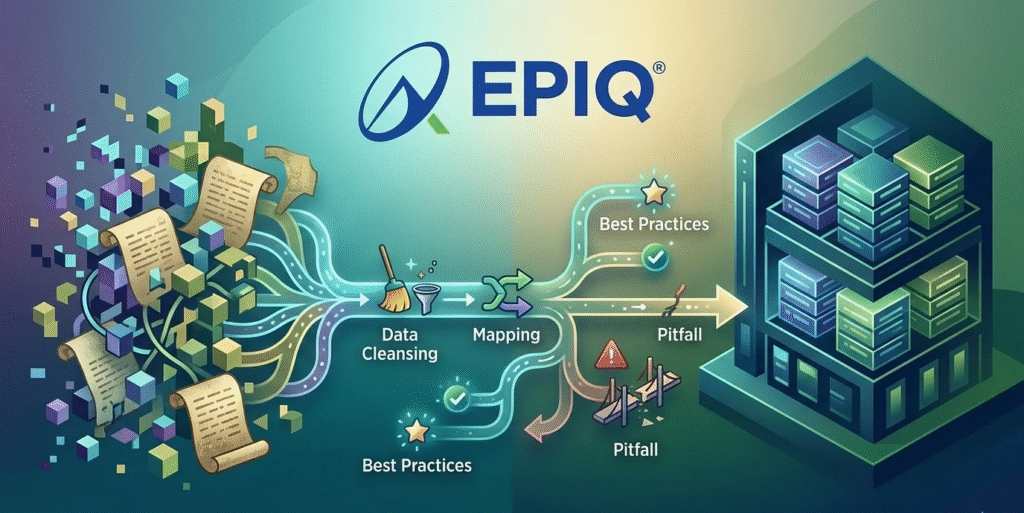
- Poor data migration planning
- Ignoring local VAT workflows during setup
- No user adoption strategy after go-live
- Treating NetSuite as “just accounting software.”
These problems don’t show up immediately. They surface months later when reporting breaks or processes slow down.
How EPIQ Infotech Approaches NetSuite ERP in the UAE
At EPIQ Infotech, we treat NetSuite as a business transformation platform — not a software installation.
Our approach focuses on:
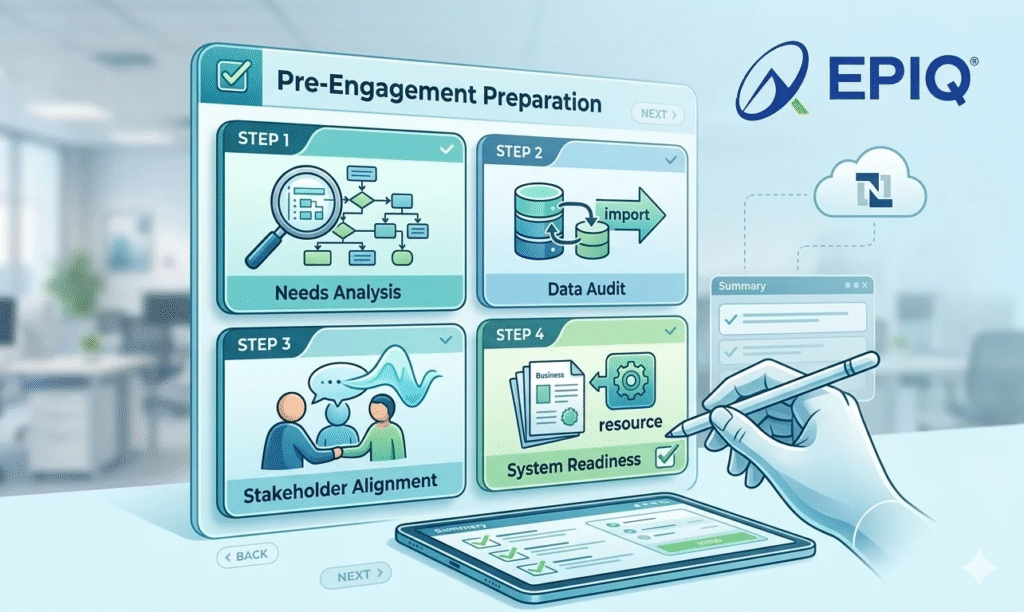
Business-first discovery
Understanding how finance, operations, and leadership actually work today — and where they need to go.
Clean implementation and localization
Proper VAT configuration, entity structure, approval workflows, and reporting from day one.
Structured data migration
No shortcuts. Data mapping, validation, and testing before go-live.
User adoption and optimization
Dashboards, role-based access, and workflows designed for real users — not theory.
Post-go-live support
Optimization doesn’t stop at launch. That’s where NetSuite Support Service is unlocked.
Is NetSuite ERP Right for Your UAE Business?
NetSuite is a strong fit if:
- You manage multiple entities or locations
- Financial consolidation is time-consuming
- Reporting lacks real-time accuracy
- Growth is limited by operational complexity
- You want a future-proof ERP, not another patchwork system
If your organization is reaching that stage, the conversation shouldn’t be whether to move to an ERP — but how to do it correctly.
Final Thoughts
NetSuite ERP gives UAE businesses the control, visibility, and scalability they need — but only when implemented with the right strategy and experience.
The difference between a successful ERP and an expensive headache comes down to execution.
That’s where EPIQ Infotech helps organizations turn NetSuite into a real growth engine, not just another system.
Frequently Asked Questions
Why is NetSuite ERP a strong fit for UAE businesses?
Because it consolidates finance, operations, inventory, CRM, and reporting into a single cloud platform, helping UAE companies manage growth, compliance, and multi-entity structures efficiently.
How does NetSuite help with UAE VAT compliance?
NetSuite allows VAT configuration directly in financial workflows, supports VAT-ready invoices and reports, automates VAT calculation, and maintains clear audit trails for compliance.
Can NetSuite handle multi-entity and multi-currency operations in the UAE?
Yes. NetSuite is designed for organizations with multiple legal entities and currencies, offering automatic consolidation, real-time FX updates, and compliance support.
Does NetSuite provide real-time financial visibility?
Absolutely. NetSuite delivers real-time dashboards for cash flow, revenue, inventory, expenses, and subsidiary performance so leadership can make decisions faster.
Is NetSuite scalable for growing UAE organizations?
Yes. Businesses can add subsidiaries, enable additional modules, and manage increased transaction volumes without replacing the system.
Is NetSuite suitable for businesses operating across Dubai, Abu Dhabi, and GCC regions?
Yes. Its centralized structure and compliance readiness make it ideal for companies working across emirates and international regions.
What are the most common NetSuite implementation mistakes?
Key mistakes include over-customization, weak data migration planning, ignoring VAT workflows, lack of user adoption strategy, and treating NetSuite as just accounting software.
How does EPIQ Infotech ensure successful NetSuite implementation in the UAE?
Through business-first discovery, correct localization, structured data migration, user-focused adoption strategies, and ongoing post-go-live optimization.
Who should consider NetSuite ERP in the UAE?
Organizations managing multiple entities, facing reporting delays, struggling with consolidation, or planning long-term scalable growth should consider NetSuite.
What is the real difference between ERP success and failure?
Execution. Proper planning, localization, structured implementation, and expert support determine whether ERP becomes a growth engine or an operational burden.